
How Many Things Have You Decided You Can't Do Without Ever Trying?
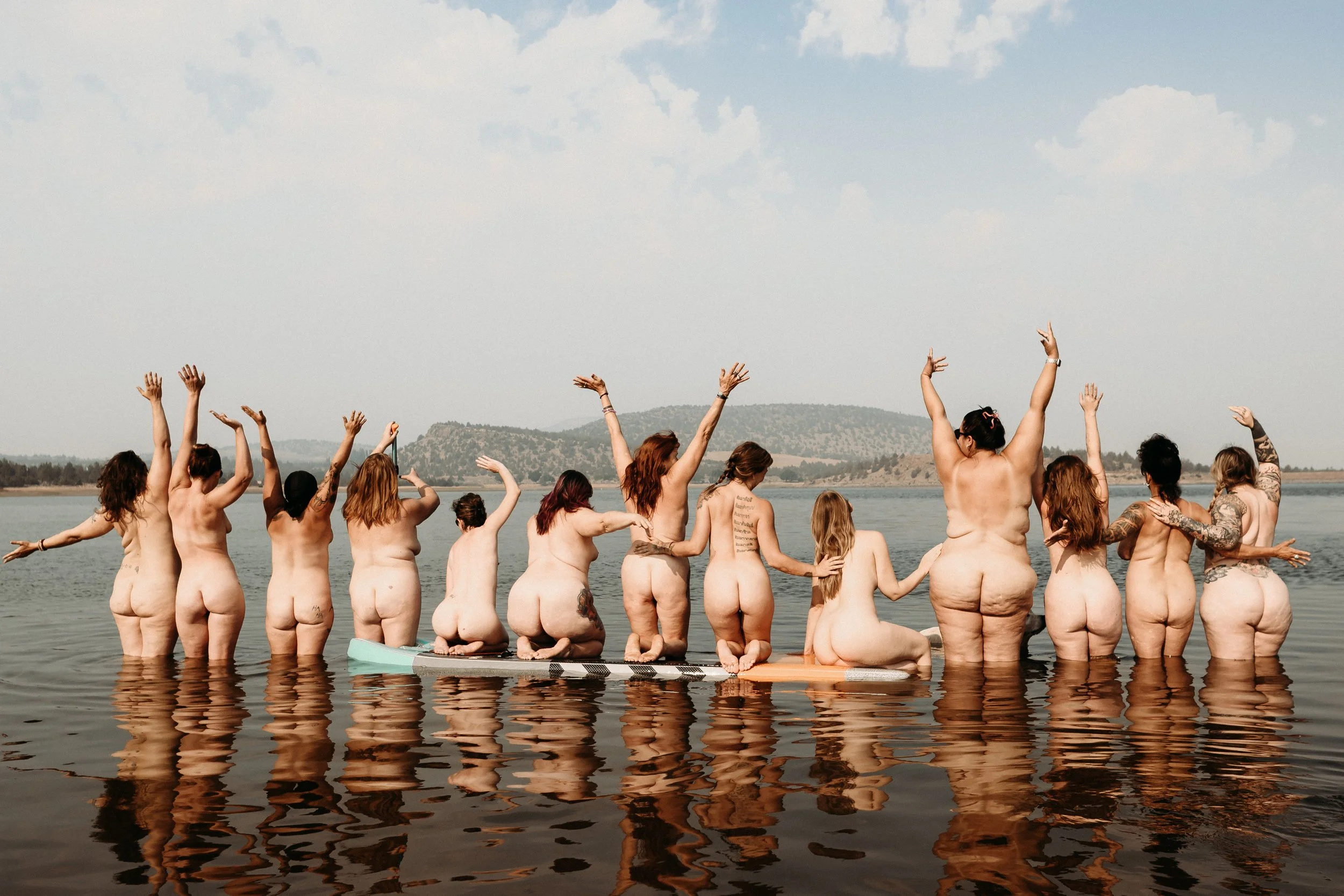
Over the last decade, I've heard hundreds of women say some version of the same thing:
“I could never do that.”
I've heard it about boudoir photography. I've heard it from women considering traveling alone, joining a retreat where they don't know anyone, hiking into the wilderness, crossing a river, getting naked outdoors, or spending a weekend camping with a group of women they've never met.
Sometimes it sounds a little different:
“I wish I had the confidence to do that.”
But after photographing hundreds of women and hosting retreats, campouts, and outdoor adventures, I've started to question what we actually mean when we say we can't do something.
Because I've watched a lot of women say, “I could never.”
And then I've watched them do it.
“People Like Me Don't Do Things Like That”
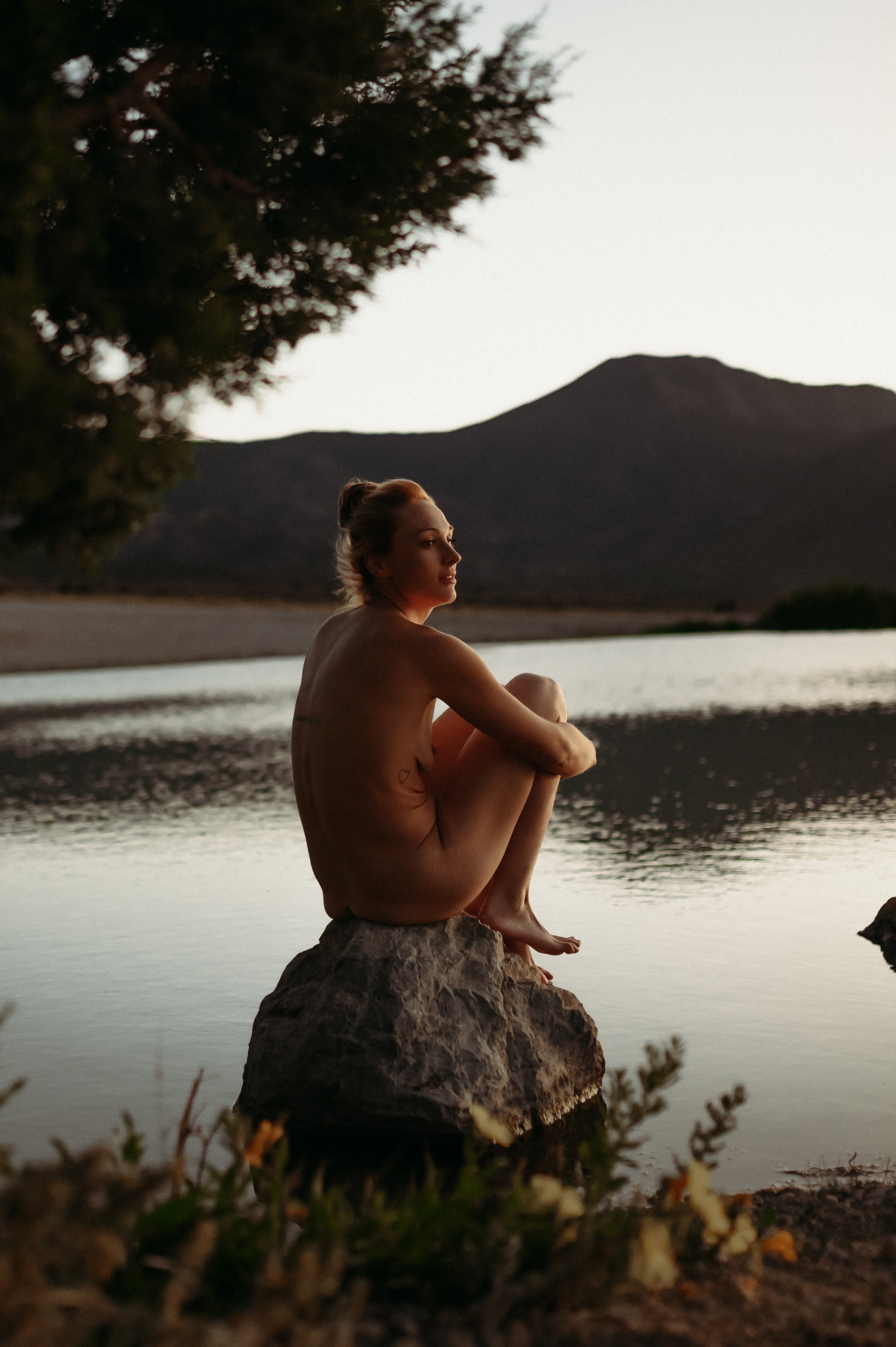
I don't think “I could never” is always a statement about our actual ability. More often, it comes from a story we've created about ourselves and the kinds of things we're capable of doing.
I'm not adventurous enough.
I'm not confident enough.
I'm too shy.
I'm too old.
I'm not comfortable with my body.
I'd never show up somewhere alone.
I could never let someone photograph me like that.
Underneath all of those reasons, I think there's often a quieter belief:
“People like me don't do things like that.”
Our reasons can be endless, incredibly specific, and completely convincing.
Somewhere along the way, we create a story about the kind of person we are and what someone like us does or doesn't do. Maybe that story came from our family. Maybe it came from our peers, an experience that scared us, something we were taught about women like us, or simply never seeing someone we relate to doing the thing ourselves.
Repeat the story long enough and it stops feeling like a story.
It starts feeling like the truth.
Confidence Usually Doesn't Come First
As a Las Vegas boudoir photographer, one of the most common things I've heard from women is:
“I wish I had the confidence to do a boudoir session.”
Some women follow my work for years before they inquire. Some inquire more than once before finally booking. Very rarely, someone books and fear gets loud enough that she backs out.
For a long time, I've watched women wait for confidence as though it's the prerequisite for doing something scary.
But I think we have the order backward.
Confidence isn't always what allows you to test your ability. Testing your ability is what creates confidence.
You don't necessarily become confident and then do the scary thing.
Sometimes you walk into the studio nervous.
You arrive at the campout alone.
You get on the plane.
You take the first step up the mountain.
You cross the river.
You take your clothes off.
You do the thing while a part of you is still wondering whether you're capable of doing it.
And afterward, you have something you didn't have before:
Evidence.
I've Watched the Story Break
This is one of my favorite parts of the work I do through Zealous Stills.
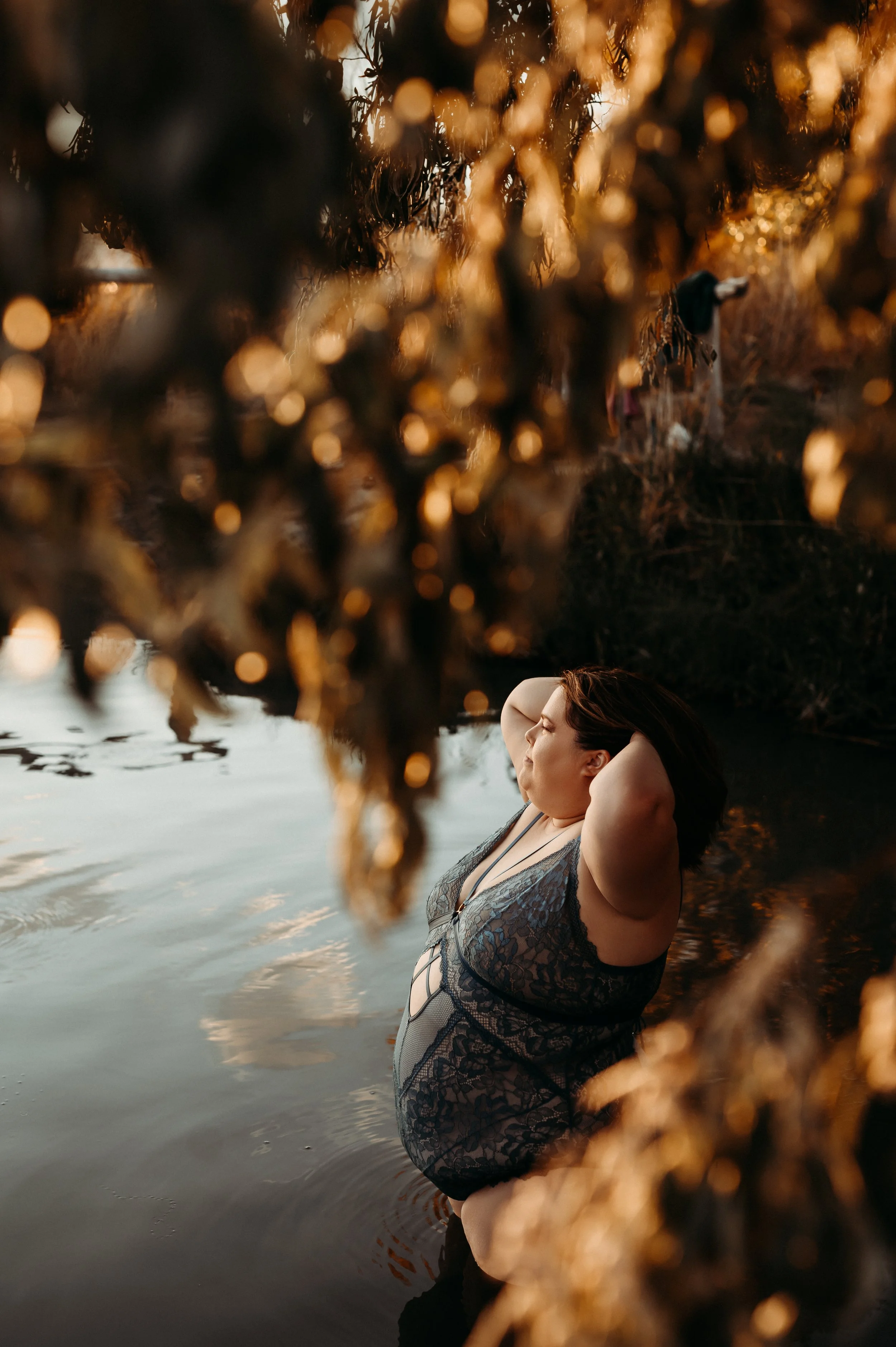
I've watched women finish boudoir sessions absolutely buzzing. I've heard words like “euphoric” used to describe the feeling afterward.
I've watched shoulders soften.
I've watched women cry during their reveal.
I've watched mouths fall open because someone genuinely cannot believe the woman in the photograph is her.
I've also watched women hike mountains, cross rivers, travel alone, arrive at retreats without knowing anyone, and show up to women's campouts afraid they won't belong—only to leave with an entirely different understanding of themselves.
They didn't suddenly become capable halfway through the experience.
They finally gathered evidence of what they were already capable of.
And that evidence creates an interesting problem.
If you've spent years believing, “People like me don't do things like this,” and then you do exactly that, something has to give.
You can accept that the old story wasn't entirely true and allow your understanding of yourself to expand.
Or you can minimize what you just accomplished so the old story can survive.
The hike wasn't that difficult.
The photographer just made me look good.
Everyone else was welcoming, so it wasn't really brave of me to show up alone.
Anyone could have done it.
Sometimes changing our self-view is uncomfortable, even when the new view is kinder and more accurate.
But every time you do something you thought “people like me” couldn't do, your definition of people like me gets a little bigger.
Discover Your Limits—Don't Invent Them
None of this means I believe women can do absolutely anything.
Real limitations exist.
A physical disability or injury may mean an experience needs to be adapted. A photographer, retreat host, or guide may not be able to safely provide the accommodation someone needs. Something you desperately want may be a genuinely poor financial decision right now. An environment may be unsafe.
Knowing those things isn't weakness.
I'm talking about something different.
There's a difference between discovering your limits and deciding what they are before you've ever tested them.
The goal isn't to prove that you don't have limits.
The goal is to find out where they actually are.
Fear can tell you that something is unfamiliar.
Fear can tell you that something feels vulnerable.
Fear can tell you that you don't know what's going to happen.
But fear, by itself, cannot prove that you're incapable.
One of my favorite quotes is, “The fears you don't face become your limits.”
I think about that often.
How many things have we turned into limitations simply because we never allowed ourselves to find out?
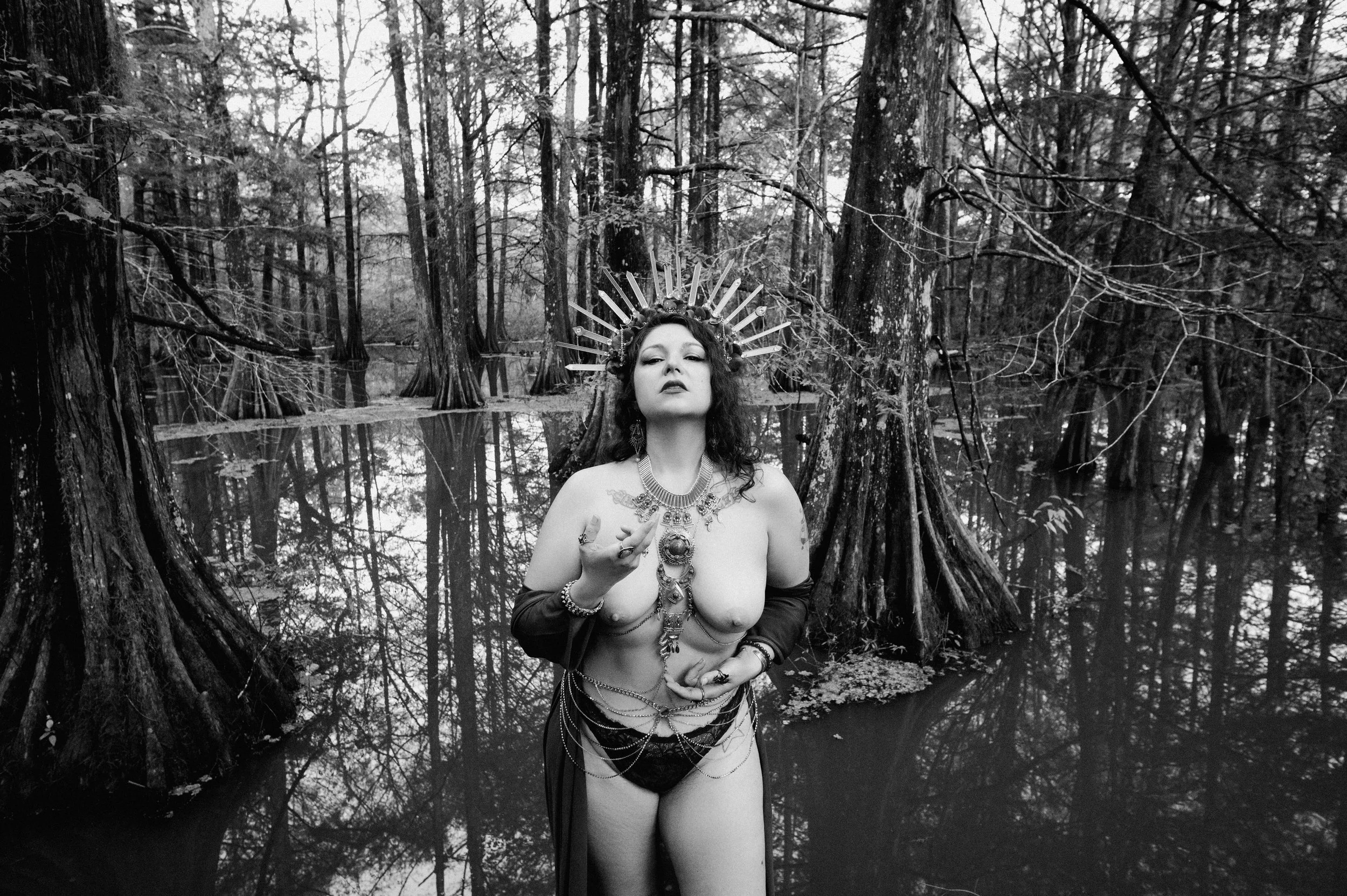
Sometimes We Borrow Courage
I don't believe we have to do this alone, either.
Community makes our fears and problems feel smaller.
It's one of the reasons the first-person stories women have shared through the Zealous Stills blog over the years matter so much to me. More than 100 women have written about their own fears, experiences, insecurities, and what happened when they finally followed through.
It's also something I've witnessed at women's retreats and campouts.
One woman admits she was terrified to come alone.
Another says, “Me too.”
Someone says she almost backed out.
Three other women laugh because they almost did too.
Suddenly, the thing you thought made you uniquely incapable becomes part of a shared human experience.
When you hear another woman's story, you can borrow courage from her.
You can borrow it until you've gathered enough evidence to build some of your own.
Photography Is Evidence. Experience Is Too.
I've said before that photography isn't the product; it's evidence of my worldview.
I believe photography gives women evidence of something that was already true.
A photograph can't manufacture your worth. It can't magically create beauty or turn you into someone deserving of being seen.
It can show you something about yourself that your old stories made difficult to see.
I believe experiences can do the same thing.
A Las Vegas boudoir session, a retreat, a women's campout, an outdoor adventure, traveling somewhere alone, or simply saying yes to something you've spent years believing isn't for “people like you” can create evidence that challenges the boundaries you've placed around yourself.
Maybe that's part of why these experiences can feel so euphoric.
You didn't suddenly become a different woman.
You discovered something about the woman who was already there.
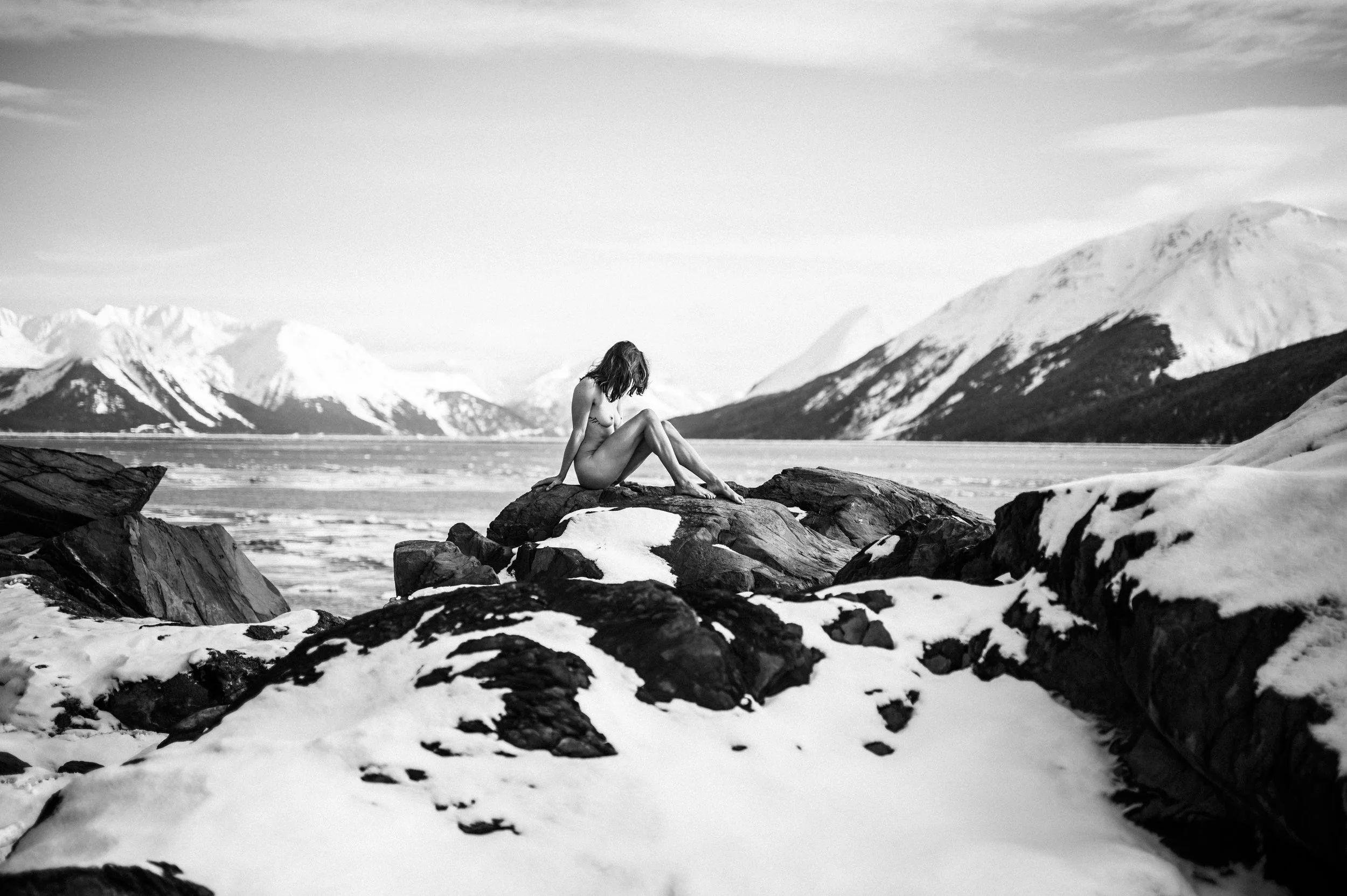
Are You Willing to Find Out?
I wonder how differently women would move through the world if we stopped requiring confidence before exploring our abilities.
Maybe we'd apologize less.
Maybe we'd take up more space.
Maybe we'd stop automatically assuming the experiences that call to us belong to some other kind of woman.
Maybe we'd create lives that feel more expansive, fulfilling, and purposeful because we'd actually know the difference between our limitations and our fears.
You don't have to believe you can do everything.
You don't have to pretend you're not afraid.
And you don't have to know exactly where your limits are.
But the next time something calls to you and your immediate response is, “Oh, I could never do that,” maybe the question isn't:
Can I do this?
Maybe it's:
Am I willing to find out?
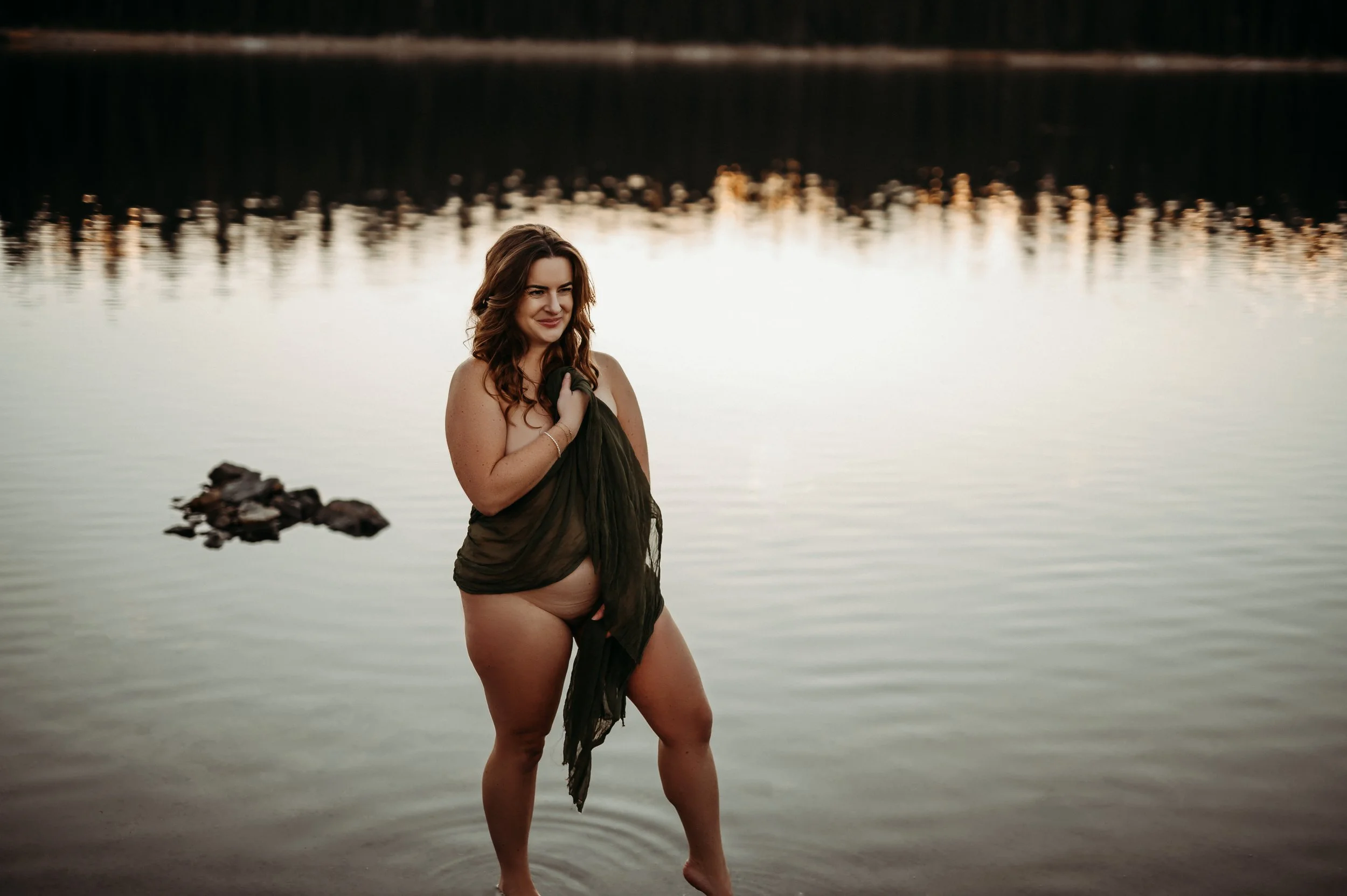
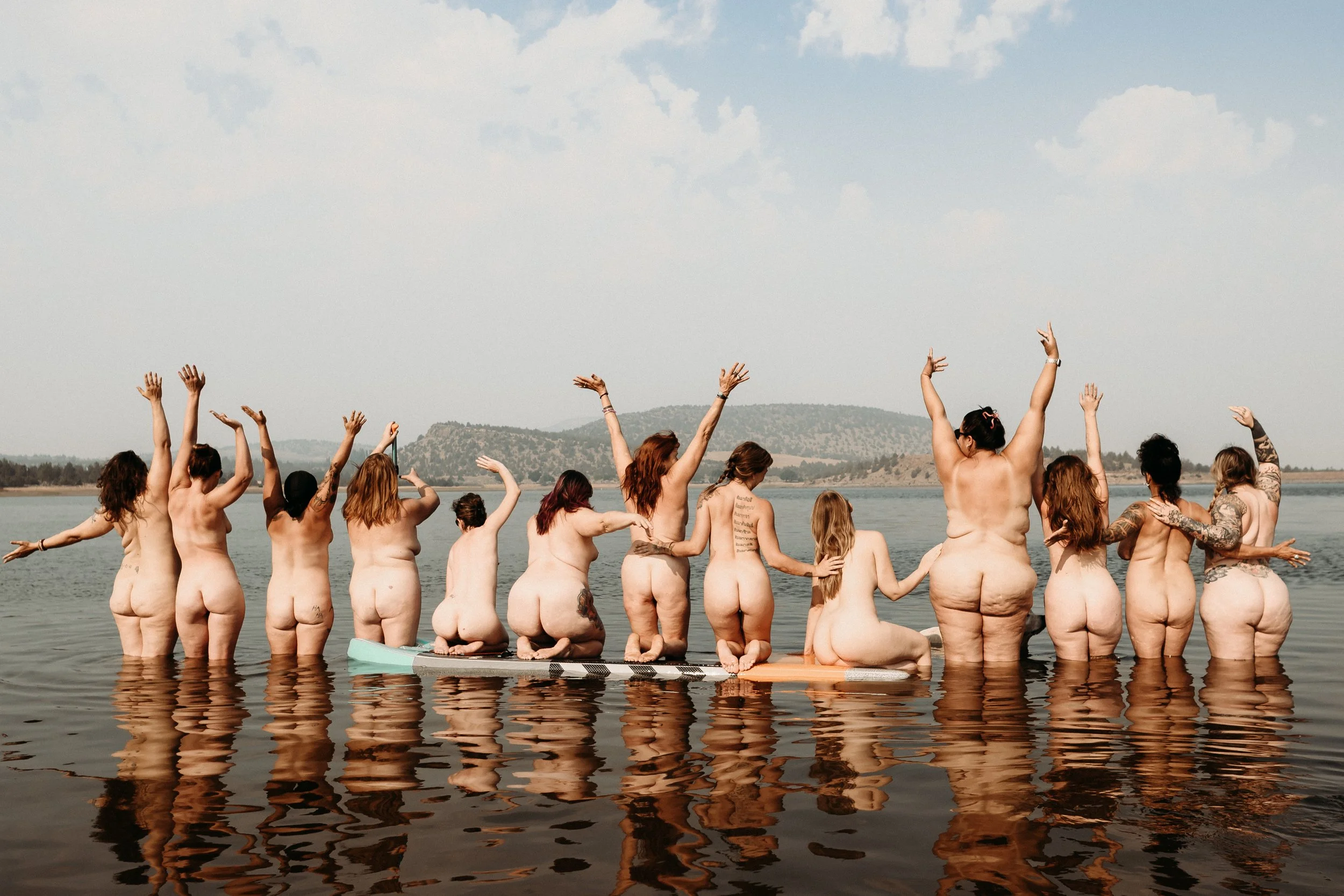
What happens when you stop experiencing your sensuality through someone else’s eyes? A reflection on performance, ownership, and discovering what sensuality feels like when it’s yours first.