

Beauty Standards Are Temporary. So Why Do We Treat Them Like the Truth?
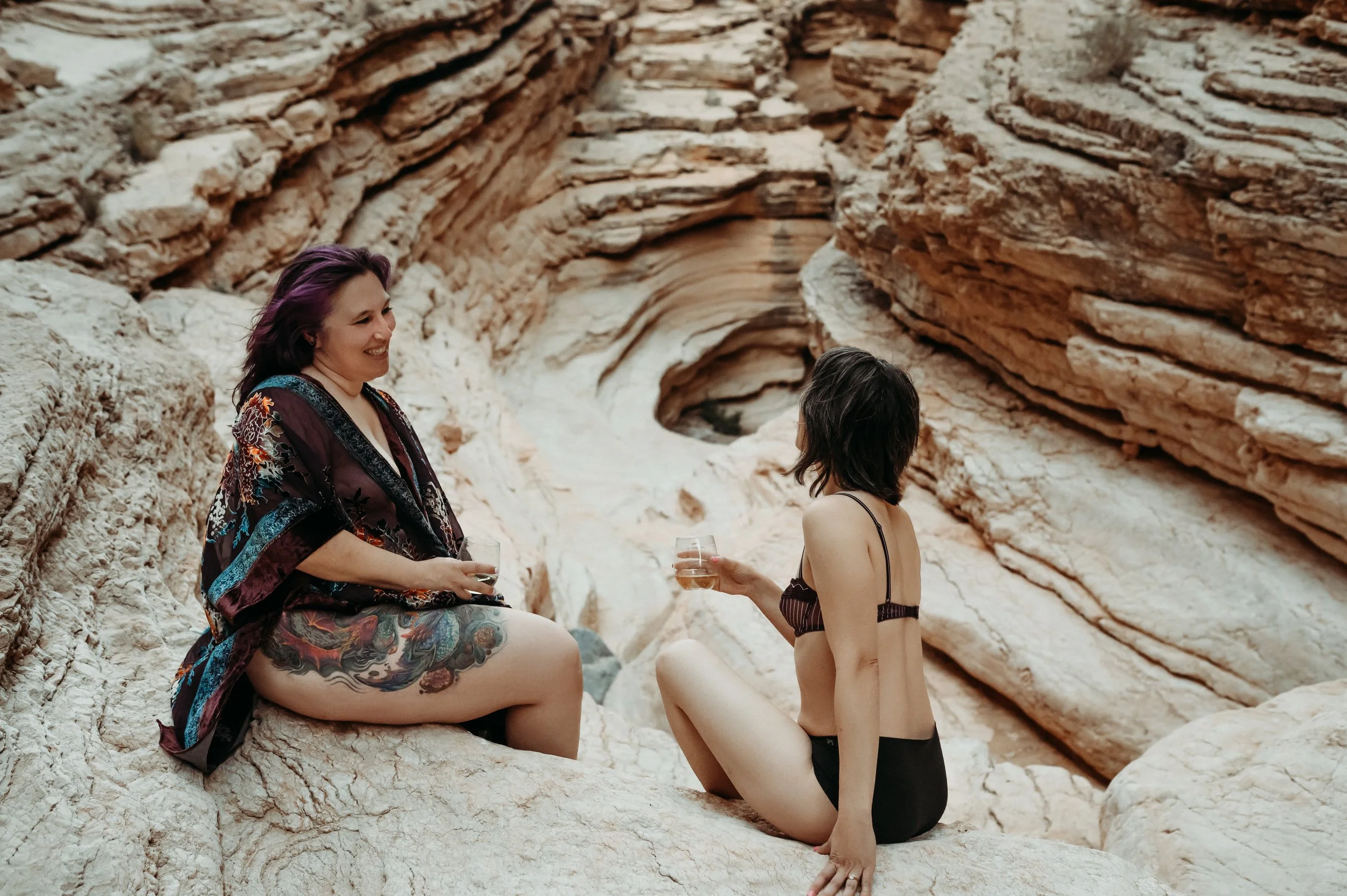
What if everything you've been taught about beauty expires?
At first, that sounds like a strange question. But the more I have thought about it, the more I have realized that beauty standards have never stayed the same for very long.
During the Renaissance, full-figured women were often celebrated in paintings as symbols of wealth, fertility, and beauty. Centuries later, women practiced bloodletting to make themselves appear paler because pale skin represented status. Fast forward to the early 2000s, and tanning beds became wildly popular because bronzed skin was suddenly considered more attractive. In the 1990s, many women wished for smaller hips and flatter curves. Today, entire industries have been built around achieving fuller lips, curvier figures, and a rounder backside.
If beauty standards were true, they wouldn't keep changing.
Temporary trends should never become permanent truths.
One of my favorite quotes is, "There is nothing new under the sun." History has a remarkable way of repeating itself, and I find comfort in that. We often believe we are living completely unique experiences, but humans have been navigating the same fears, desires, and questions for generations. Recognizing those patterns reminds us that we are not alone. We are participating in the shared experience of being human.
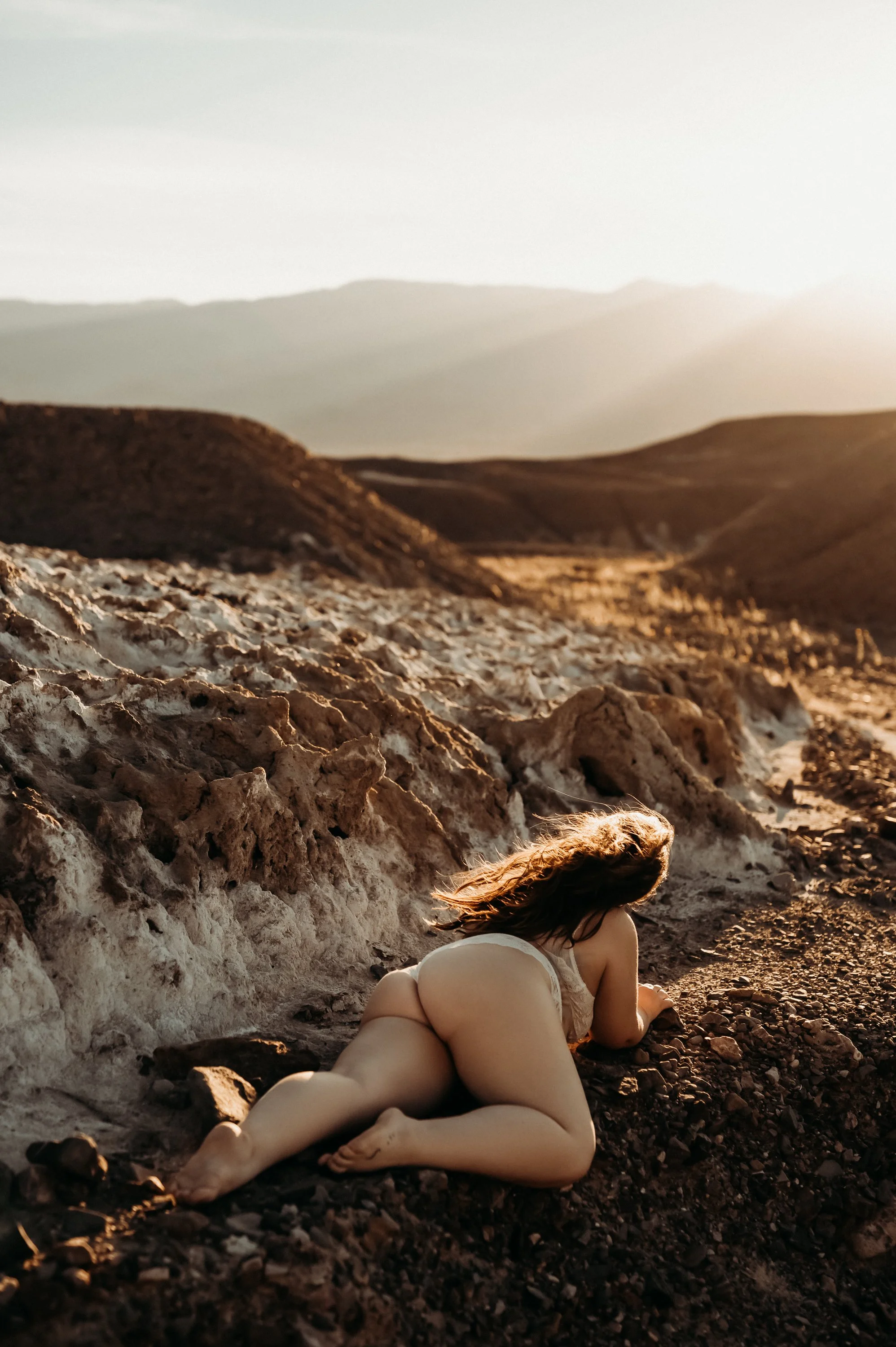
Over the last decade of photographing women, I have witnessed one of the most fascinating shifts in modern beauty culture. I grew up in the 1990s, during what many people now recognize as one of the harshest periods of body shaming in modern history. Celebrity culture exploded, magazine covers criticized women's bodies relentlessly, and even women who wore a size four were publicly labeled as needing to lose weight.
Then something changed.
As those impossible standards became more visible, a counterculture emerged. Conversations about body positivity, confidence, and self-acceptance began replacing conversations about shrinking ourselves. While no generation is free from unrealistic expectations, I have noticed that more women today are beginning to value confidence, authenticity, and self-respect alongside physical appearance.
But perhaps the most interesting observation isn't that beauty standards changed.
It's that entire generations changed with them.
Women who grew up in the 1980s and 1990s often apologize for having curves or a fuller backside because they were taught that smaller was better. Younger women, raised during a completely different cultural moment, are often disappointed by the exact opposite. They wish they had more curves because that is what today's culture celebrates.
The body changed very little.
The trend changed completely.
That realization has made me question something much deeper.
How many of our beliefs about beauty are actually ours?
I don't think most of us consciously choose what we find beautiful. I think we inherit those ideas from the world around us and, over time, they begin to feel like our own. We are conditioned by our families, our friends, advertising, celebrities, social media, and the culture we happen to grow up in. When enough people repeat the same message, it starts to feel like truth—even when history has already shown us it is temporary.
That doesn't mean beauty isn't real.
I believe beauty begins with the way we inhabit ourselves.
Someone who stands peacefully in who they are.
Someone who cares for their body, mind, and health because they value themselves—not because they are trying to earn acceptance.
Someone who is fully present in their own life.
That kind of beauty doesn't disappear when trends change.
It becomes more visible.
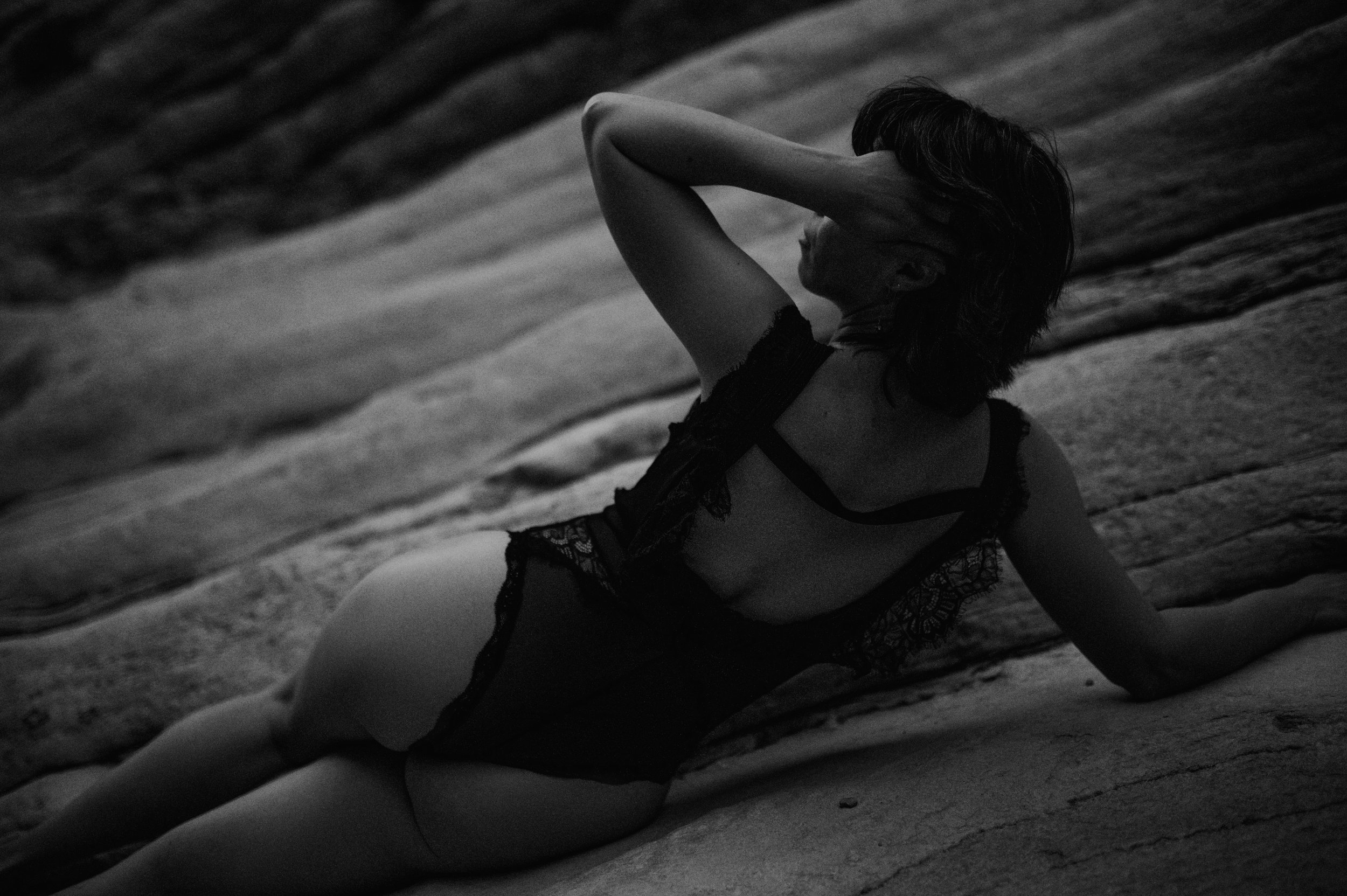
This is one of the reasons I believe boudoir photography can be such a powerful experience. As a Las Vegas boudoir photographer, I have the privilege of watching women reconnect with themselves in ways that have very little to do with posing or lingerie. They often arrive believing they need to fit a particular standard before they deserve to celebrate themselves. Somewhere along the experience, many begin realizing they have been measuring themselves against a target that has been moving for centuries.
A boudoir session doesn't decide whether someone is beautiful.
It simply creates space for her to experience herself without constantly measuring against someone else's definition.
That is very different.
If beauty standards continue changing—as they always have—then perhaps the thing that actually needs to change isn't our bodies.
Perhaps it's the authority we've given temporary trends to define something as permanent as the way we see ourselves.
Because if beauty standards were true, they wouldn't keep changing.
So I'll leave you with one final question.
If beauty standards are always changing, why are you treating today's like they're the truth?
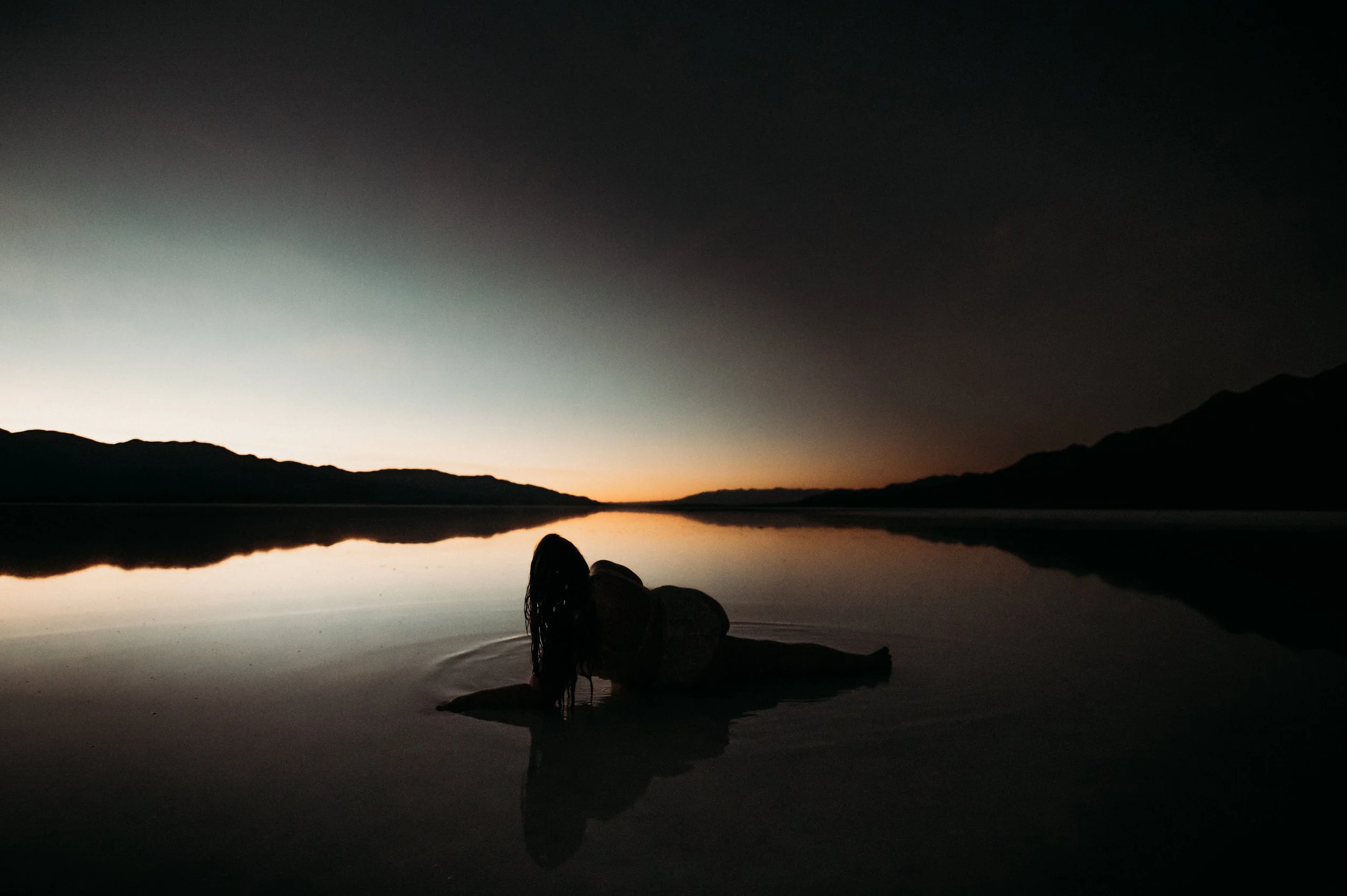
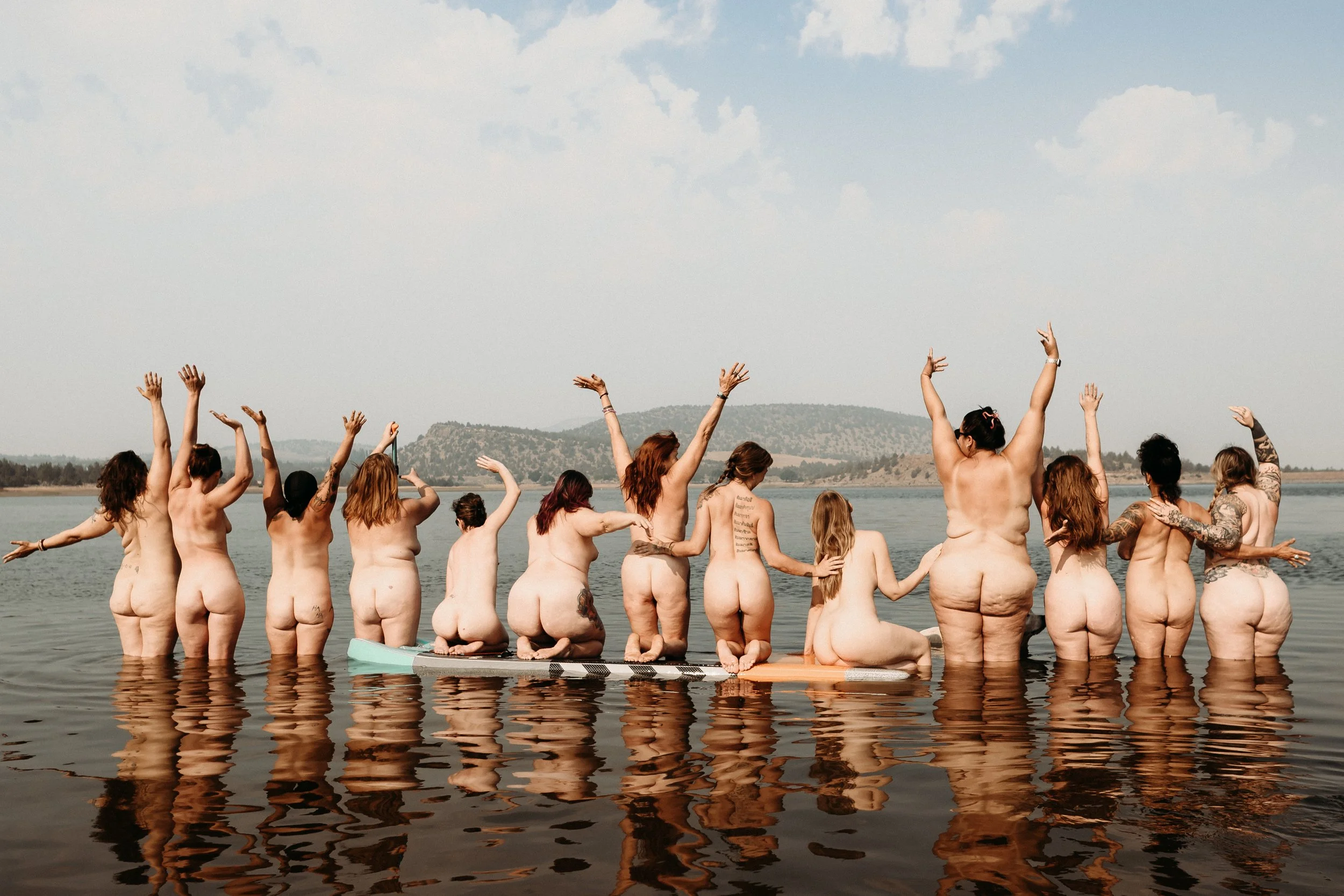
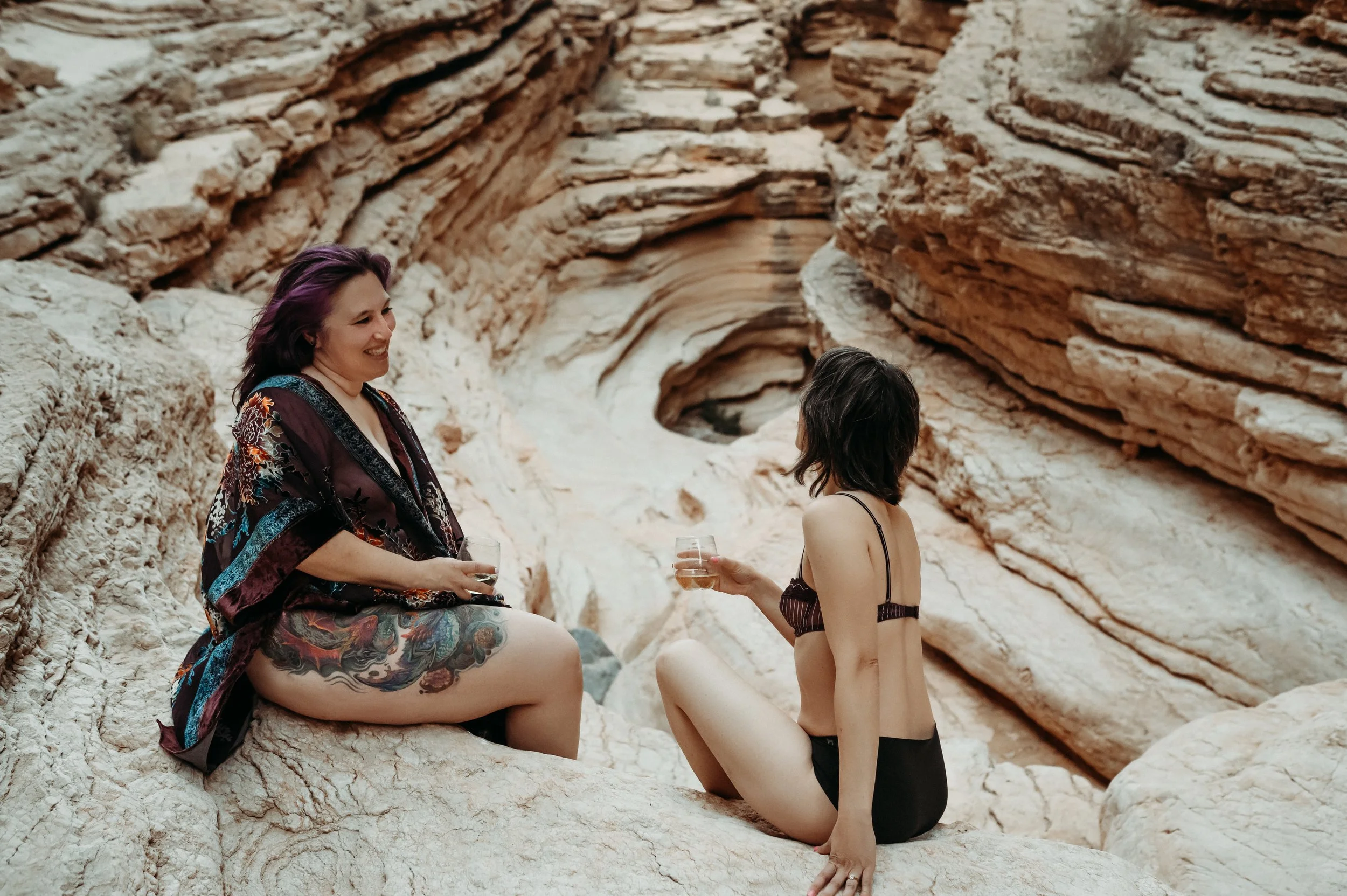
What if you haven’t lost yourself at all? Maybe parts of you have simply learned to hide behind self-protection. When we feel safe enough to lower our guard, explore discomfort, make mistakes, and be fully ourselves, something begins to shift. Our personality comes forward, our vibrancy returns, and we gain greater access to the beauty and authenticity that were already there.